


You've probably driven past a busy gas station and thought to yourself, "How much money does that place make?" Petrol pumps are everywhere, they never seem to be short of customers and unlike most businesses, people always need petrol – regardless of the season or the economy. That's why many people in India are looking into the petrol pump business profit potential and then investing their hard-earned savings in a dealership. However, before you get the profit you need to invest and before you invest you need to understand how this business really works.
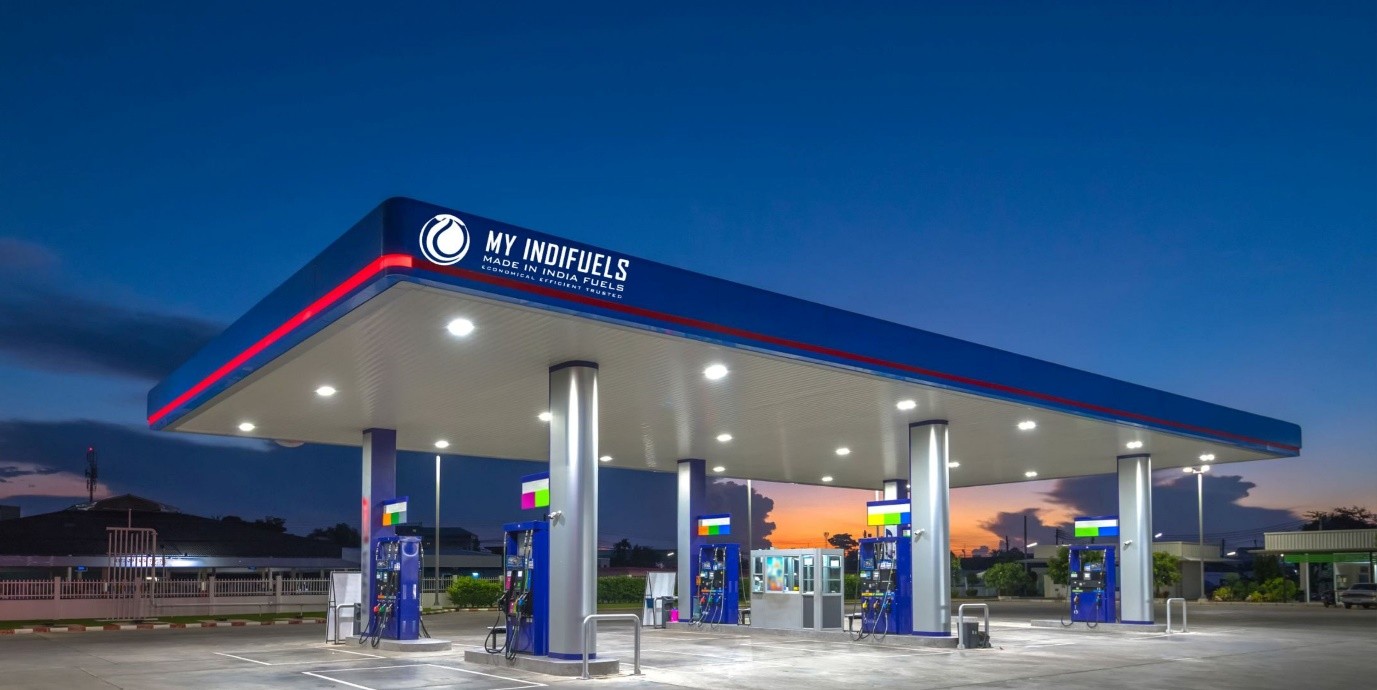
Let's simplify this in a simple way.
How Much Does It Actually Cost to Start?
One of the initial questions that every aspiring petrol pump owner has is the cost of opening a petrol pump in India and the answer is not a single fixed number as the expenses can vary from applicant to applicant in many instances. This will be dependent on the location of the pump installation. The cost of a dealership located in a small town or on a rural highway will be significantly less than one located in a busy city or on a national highway that has lots of traffic.
In general, the investment is placed in three major fields. There is the land itself, and you have to own or have a long term lease with the oil company's requirements. Secondly, there is the infrastructure cost of the dispensing units, underground storage tanks, canopy structure, safety equipment and office set up. Third, a security deposit needs to be paid to the oil marketing company after the approval of your dealership.
The total investment can range from 15 to 25 lakh rupees in the case of a rural outlet, and it can easily exceed 50 lakh rupees and even a crores in case of an urban and highway outlet depending on the cost of land and the size of the outlet. These numbers fluctuate significantly based on the city, the land rate and the type of dealership you are applying for. This is where the service of experienced consultants like My Indifuels comes in handy as they help the applicant understand the actual petrol pump opening cost in India before he/she invests any money.
Summarize all the significant categories of expense:
- • Ownership or long-term lease of land that complies with the oil company's norms.
- • Installation of equipment, underground tanks, canopy, safety equipment and office area.
- • Security deposit paid to the oil marketing company upon the approval of the dealership.
- • Certifications like fire safety, pollution control and other statutory approvals (licensing and NOC charges).
Where the Money Actually Comes From
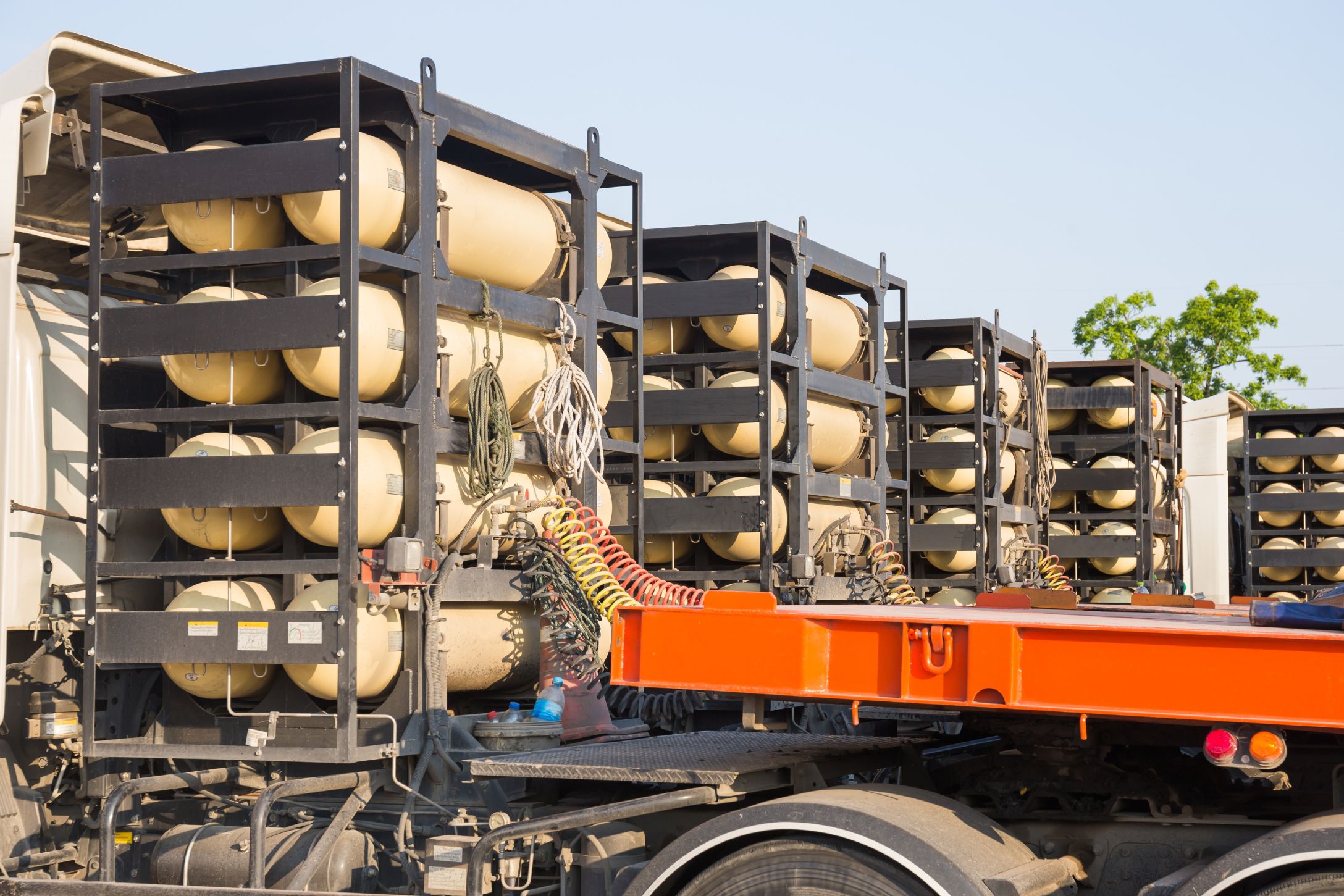
This is a common mistake for applicants who are making their first application. It's not the petrol pump dealer's job to make money from selling petrol at higher prices. Prices of petrol and diesel are set by the oil company and regularly changed.
This is a commission that the dealer earns, per litre sold, and is set by the oil company and is relatively constant, irrespective of the pump price.
It's actually good news for those who have been concerned about market risk. When the traffic to your pump has become regular and you can predict how much you can expect to earn, your income becomes more predictable, as it is not dependent on price fluctuations. Dealers typically make a few rupees a litre on petrol and diesel; this might seem a small amount until you multiply it by thousands of litres sold daily. The true foundation of petrol pump business profit is not the mark-up on the price of the fuel, but this regular commission basis.
What Does Monthly Income Actually Look Like?
So, let's get right to the point of your question: how much money does a petrol pump owner make per month?
The truthful answer is it's very much dependent and location plays a major role. The amount of litres sold in a day can be from 8000 to 10000 and more on a national highway with constant traffic, and even a fraction of that in a smaller outlet in a quieter town. The simple calculation of the per litre commission structures a pump that sells good daily volumes can give a few lakh rupees a month in income, whereas it may be much less for smaller outlets particularly in the early months.
It also requires some time to develop. In the first few months, very few petrol pumps achieve their earnings potential. Most of the time regular customers, local trust and repeat business is established in six months to one year. Some of the more important factors that affect monthly income are:
- • The number of litres sold is influenced by the location and traffic, highway outlets and cities sell more litres than rural ones.
- • There are also additional services that add extra footfall to the site such as air filling, a small convenience store, tyre services, or EV charging points.
- • Quick, honest service is a key to the repeat business that every pump needs including staff and service quality.
- • Fuel availability, regular customers return if fuel is available with no dry days.
Some dealers specialize in these areas and will make their petrol pump business profit consistently each quarter and more than the profit that can be made from the petrol.
Understanding the Real ROI on Petrol Pump Business Profit
ROI in this business can be measured over a number of years, not months, due to the relatively high cost of the initial investment. Well-situated/soundly managed most dealerships will pay for themselves anywhere from four to seven years, some may pay off quicker for larger/busier dealerships, others longer for smaller dealerships.
The stability factor is the reason petrol pump dealerships are good long term investments in India. Unlike seasonal trade, a fuel station continues to generate profits every month as the demand for fuel continues to rise with the increase in number of vehicles and road infrastructure in India. After the initial investment is paid off, the business is likely to provide a steady stream of income and have relatively low risks on a day-by-day basis.
Getting the Process Right From the Start
If the dealership application fails, none of these profit numbers will mean anything, and most first-time applicants make it their own. From the moment you submit your application for the land to the time you actually go in for inspection, there is a chance of a slight error causing your application to be rejected or delayed. There is a risk that something can go wrong at any point in the process from applying for the land to the time of inspection.
This is the sort of assistance My Indifuels provides to business people contemplating joining this industry. Support in determining if your land is suitable for the oil company's application, interview and final approval process can save months of back and forth and a lot of money in the process.
The Bottom Line
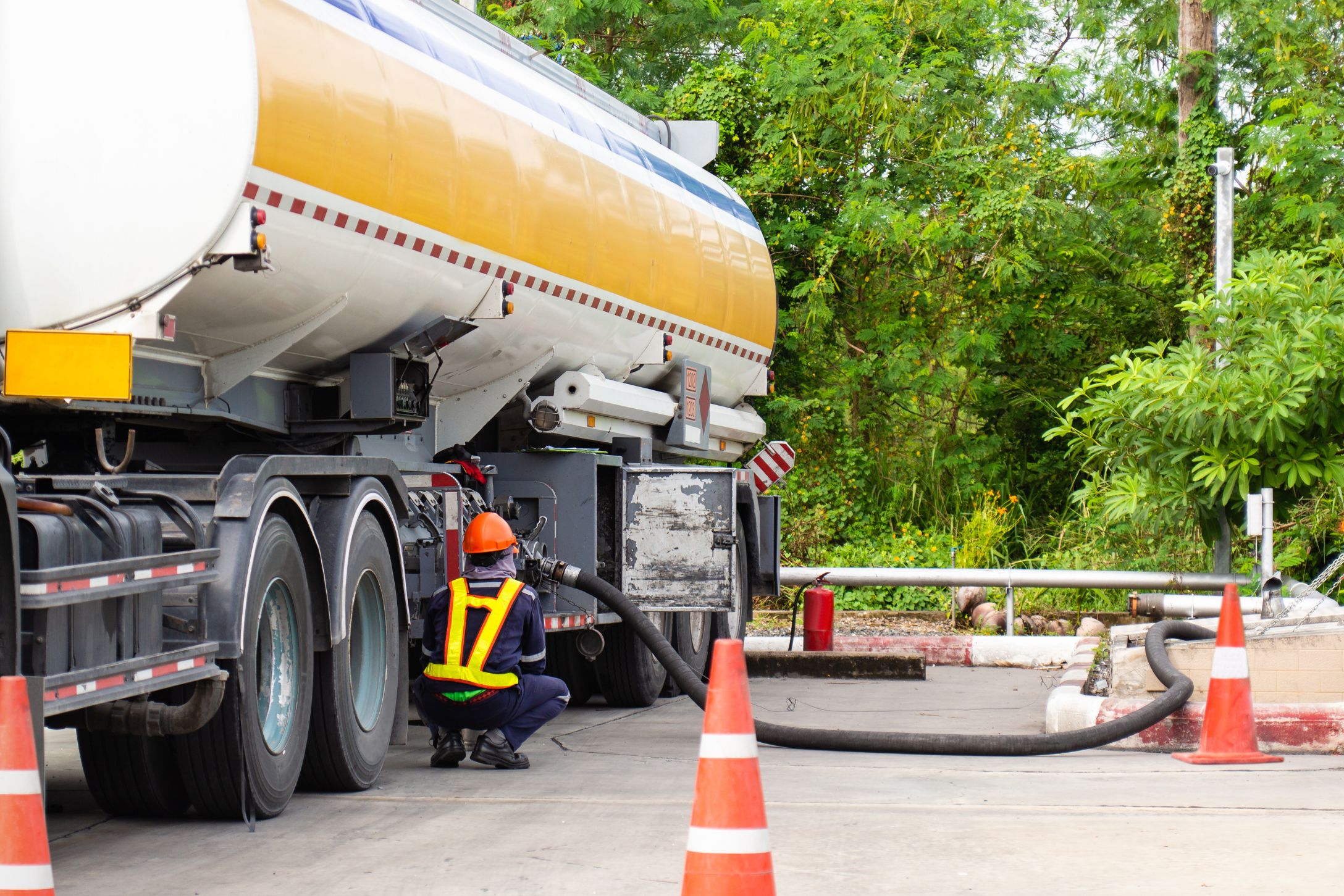
In India, the petrol pump business is not an easy way to make money and should not be considered a get-rich scheme as it would not bring instant profits. But it's one of the more consistent and enduring business ventures on the market today because of a constant per-litre commission payout and demand that never appears to wain. If located in the right place, properly planned and mapped out, and guided in the right direction for approval, this business can become a reliable income stream for many years.
If you are interested in venturing into this business, then you must know the actual expenses that you need to incur for opening a petrol pump in India in the location you're considering, make a realistic estimate of your investment, and seek expert advice right from the beginning. This is one decision that should be made right and you can't mess it up.